


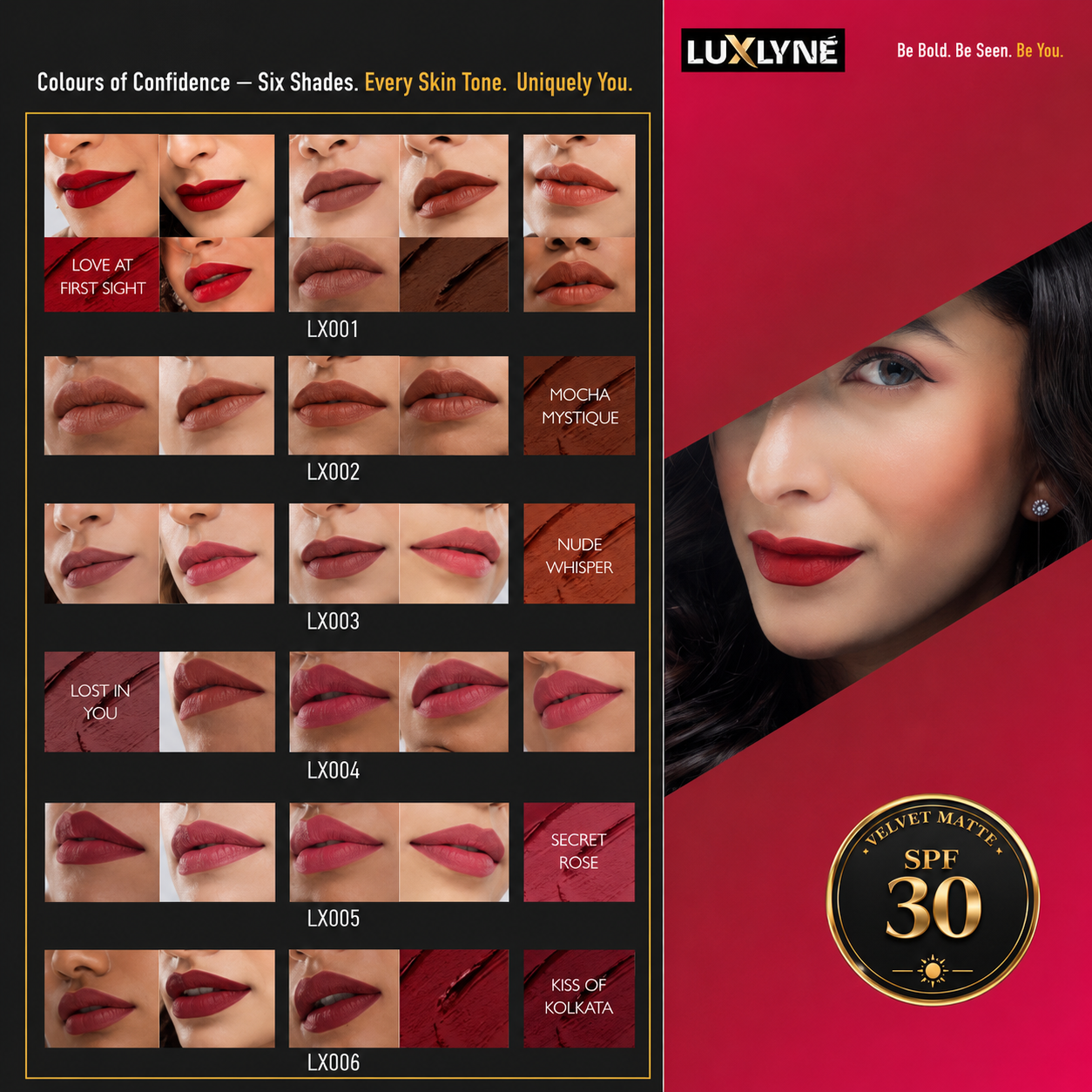
The Ultimate Lipstick Guide the Right Lipstick Shade for Your Skin Tone
How to Choose the Right Lipstick Shade for Your Skin Tone | Complete Guide 2026
Discover how to choose the Right Lipstick Shade for your skin tone and undertone. Learn expert beauty tips, lipstick color charts, nude and red lipstick guides, common mistakes, and FAQs.
Right Lipstick Shade: The Complete Guide
Lipstick is one of the most transformative beauty products in any makeup collection. A single swipe of the right lipstick shade can instantly brighten your complexion, enhance your facial features, make your smile look more attractive, and boost your confidence.
Whether you’re heading to work, attending a wedding, going on a date, or simply enjoying a casual day out, choosing the right lipstick shade helps complete your look effortlessly.
However, selecting the perfect lipstick isn’t always easy. Beauty stores are filled with thousands of shades—from nude pinks and peach corals to bold reds, rich berries, plums, chocolates, and deep wines. While every color may look beautiful in the tube, not every shade will complement your unique complexion.
Many people purchase lipstick because they love the color on a celebrity or influencer. Unfortunately, what looks stunning on someone else may not flatter your skin tone or undertone.
The secret to finding the right lipstick shade lies in understanding four key factors:
- Skin tone
- Undertone
- Natural lip pigmentation
- Personal style
Once you understand these basics, selecting lipstick becomes simple and enjoyable.
Quick Answer
If you’re wondering how to choose the right lipstick shade, follow these six easy steps:
- Identify your skin tone.
- Determine your undertone.
- Understand your natural lip color.
- Choose shades that complement both.
- Consider the occasion.
- Select the appropriate lipstick finish.
Following these steps ensures your lipstick enhances your natural beauty rather than overpowering it.
Why Choosing the Right Lipstick Shade Matters
Lipstick does much more than add color to your lips. The right lipstick shade can transform your entire appearance.
Benefits of Wearing the Right Lipstick Shade
- Brightens dull skin
- Makes teeth appear whiter
- Defines lips beautifully
- Enhances facial balance
- Completes your makeup look
- Makes you appear healthier
- Creates a youthful appearance
- Boosts confidence instantly
Problems Caused by the Wrong Lipstick Shade
Choosing an unsuitable lipstick can:
- Wash out your complexion
- Make skin appear tired
- Highlight dark circles
- Clash with eye makeup
- Make lips look thinner
- Draw attention to uneven skin tone
This is why professional makeup artists always recommend choosing lipstick according to your complexion rather than following trends alone.
Understanding Skin Tone
Before selecting the right lipstick shade, it’s important to understand your skin tone.
Skin tone refers to the visible color of your skin. Most beauty professionals classify skin into five categories.
Fair Skin
Fair skin is very light and often burns quickly in the sun.
Characteristics
- Porcelain complexion
- Pinkish appearance
- Freckles are common
- Burns easily
Best Lipstick Shades
- Baby Pink
- Soft Rose
- Peach
- Light Coral
- Raspberry
- Cherry Red
- Blue-toned Red
Avoid extremely pale beige lipsticks because they may wash out your complexion.
Light Skin
Light skin has slightly more warmth than fair skin and generally tans lightly.
This complexion suits many lipstick shades, making it highly versatile.
Recommended Shades
- Dusty Rose
- Warm Nude
- Mauve
- Coral Pink
- Soft Red
- Berry
- Wine
Medium Skin
Medium skin typically features olive or golden characteristics.
Many Indian, Middle Eastern, Mediterranean, and Latin American complexions fall into this category.
Best Lipstick Shades
- Caramel Nude
- Rose Brown
- Cinnamon
- Coral
- Brick Red
- Terracotta
- Berry
These earthy tones naturally enhance medium skin without overpowering it.
Tan Skin
Tan skin carries natural warmth and richness.
It looks especially beautiful with warm earthy shades.
Recommended Colors
- Burnt Orange
- Rust
- Cinnamon
- Terracotta
- Warm Brown
- Deep Coral
- Brick Red
- Chocolate Nude
Deep Skin
Deep skin beautifully complements richly pigmented lipsticks.
Instead of avoiding bold colors, embrace them.
Best Choices
- Burgundy
- Wine
- Chocolate Brown
- Plum
- Deep Berry
- Crimson
- Mahogany
- Espresso Nude
Rich colors create stunning contrast while highlighting natural beauty.
Understanding Undertones
One of the biggest mistakes people make is confusing skin tone with undertone.
They are not the same.
Your skin tone may change because of tanning or seasonal changes.
Your undertone remains the same throughout your life.
Undertones are generally classified into three categories.
Warm Undertones
Warm undertones contain yellow, golden, or peach hues.
Signs of Warm Undertones
- Green-looking veins
- Gold jewelry looks better
- Skin tans easily
- Cream-colored clothing looks flattering
Best Lipstick Shades
- Peach
- Coral
- Orange Red
- Brick Red
- Brown Nude
- Warm Nude
- Terracotta
Warm undertones shine in earthy lipstick shades.
Cool Undertones
Cool undertones contain pink, blue, or red hues.
Signs
- Blue veins
- Silver jewelry looks better
- Burns before tanning
- Bright white clothing looks flattering
Best Lipstick Shades
- Mauve
- Berry
- Plum
- Raspberry
- Blue-based Red
- Wine
- Pink Rose
These colors naturally balance cooler complexions.
Neutral Undertones
Neutral undertones combine both warm and cool characteristics.
Signs
- Both silver and gold jewelry look good.
- Both white and cream clothing are flattering.
- Skin doesn’t appear strongly yellow or pink.
Best Lipstick Shades
- Rose
- Nude
- Berry
- Classic Red
- Coral
- Brown
Neutral undertones can wear almost every lipstick family successfully.
How Skin Tone and Undertone Work Together
Many people focus only on skin tone.
Professional makeup artists evaluate both skin tone and undertone together.
For example:
Two women may have medium skin.
One has warm undertones.
The other has cool undertones.
Although their skin appears similar, the same lipstick can look completely different.
A coral lipstick may look radiant on warm undertones but appear overly orange on cool undertones.
Meanwhile, berry lipstick may beautifully complement cool undertones while making warm skin appear dull.
This is why understanding undertones is just as important as identifying your skin tone.
How to Identify Your Skin Tone
If you’re unsure about your complexion, these simple methods can help.
1. Natural Light Test
Stand near a window during daylight.
Avoid artificial lighting.
Look at your jawline instead of your forehead because it provides the most accurate representation of your complexion.
2. Foundation Match Test
If foundation shades frequently look too pink or too yellow, your undertone may be different from what you assumed.
Professional foundation matching often reveals both your skin tone and undertone.
3. White Fabric Test
Hold a plain white cloth beside your face.
If your skin appears:
- Yellow → Warm
- Pink → Cool
- Balanced → Neutral
This is one of the easiest beauty tricks used by makeup professionals.
How to Identify Your Undertone
Several simple tests can help determine your undertone accurately.
Vein Test
Look at the veins on your wrist.
- Green veins → Warm
- Blue or purple veins → Cool
- A mix of both → Neutral
Jewelry Test
Try wearing gold and silver jewelry.
- Gold looks better → Warm
- Silver looks better → Cool
- Both suit you → Neutral
Sun Exposure Test
Observe how your skin reacts to sunlight.
- Tans easily → Warm
- Burns first → Cool
- Sometimes burns, sometimes tans → Neutral
Best Lipstick Shades for Every Skin Tone
| Skin Tone | Best Lipstick Shades |
|---|---|
| Fair | Soft Pink, Rose, Cherry Red, Raspberry |
| Light | Coral, Mauve, Nude Pink, Berry |
| Medium | Cinnamon, Brick Red, Caramel Nude, Berry |
| Tan | Rust, Terracotta, Chocolate, Burnt Orange |
| Deep | Burgundy, Plum, Wine, Chocolate Brown |
Lipstick Color Psychology
Lipstick color reflects your personality, mood, and style. Choosing the right shade can enhance not only your appearance but also your confidence.
- Red: Symbolizes confidence, power, and elegance.
- Pink: Represents femininity, romance, and softness.
- Coral: Expresses youthfulness, freshness, and energy.
- Nude: Creates a natural, sophisticated, and effortless look.
- Brown: Reflects warmth, confidence, and maturity.
- Berry: Adds a touch of luxury, glamour, and sophistication.
- Plum: Conveys boldness, mystery, and individuality.
FAQ :
You may also enjoy
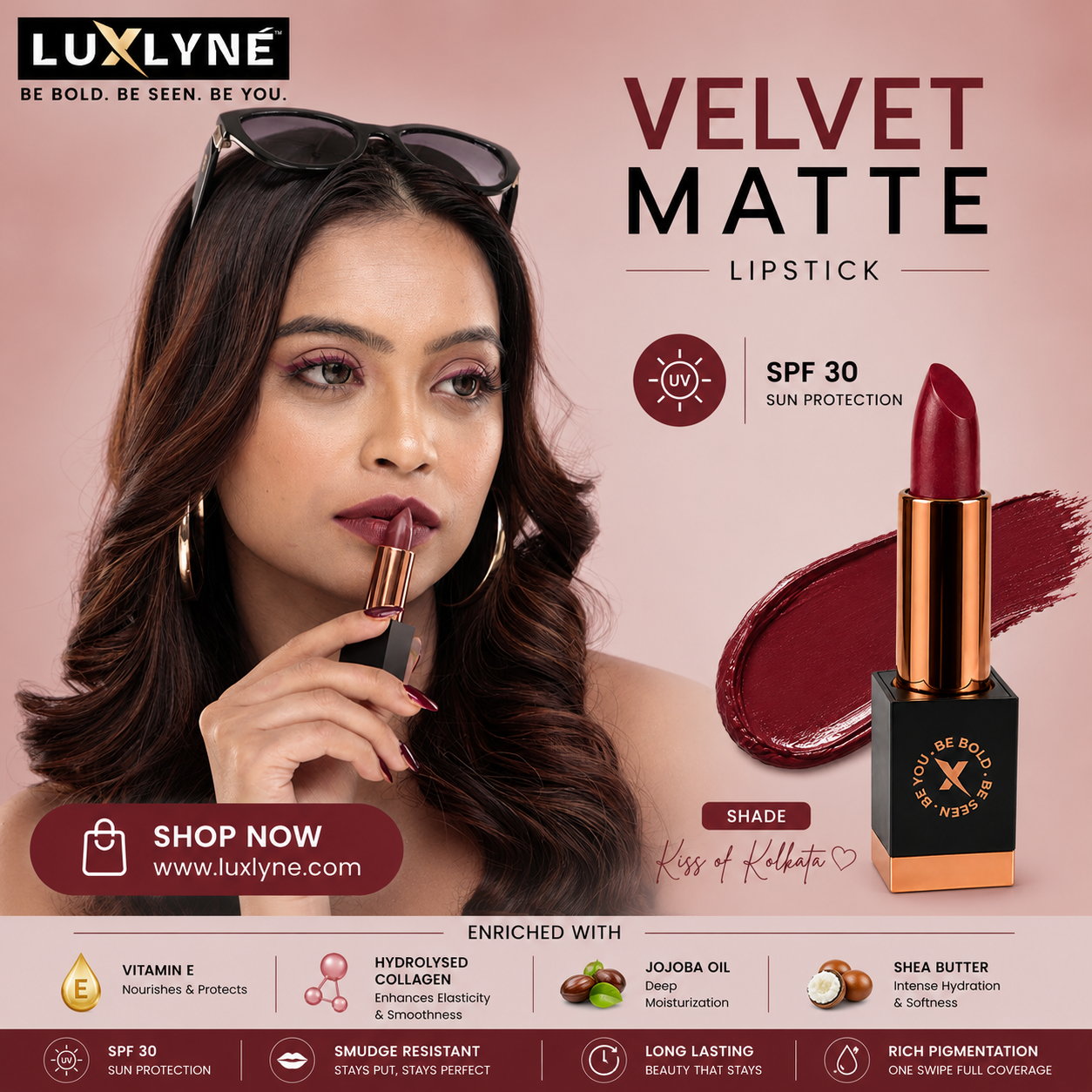
The Complete Guide to Velvet Matte Lipsticks
The Complete Guide to Velvet Matte Lipsticks | Benefits, Ingredients, Applicatio
Leave a Reply